Wound healing
With the gel, median ulcer closure was 98.5%, versus 60.8% with the gel without the peptide. Closure was about three times faster.
Ulcer infections were also less frequent (7% versus 34%).
Copper peptide studied for skin, collagen and wound healing.
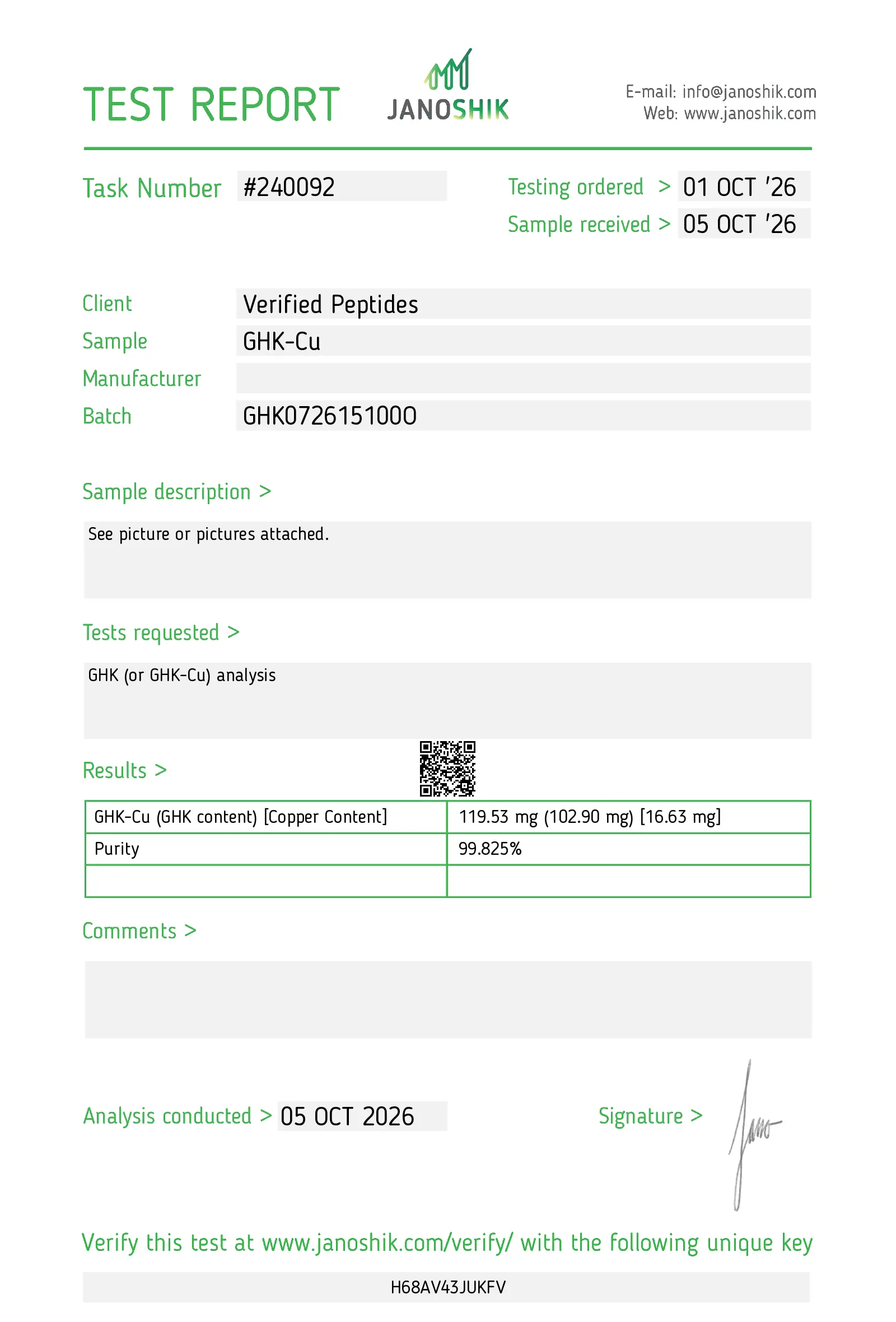
Purity 99.825% verified by Janoshik. Lot GHK0726151000.


GHK-Cu is a very small peptide, just three amino acids (glycine, histidine and lysine), bound to a copper atom. The body makes it naturally, and levels drop with age. The copper gives it its blue color.
It's studied for skin (collagen, firmness, wrinkles), wound healing and hair. Most human studies used creams or gels, not injections.
It delivers copper to cells and, in the lab, switches on genes linked to repair: it increases collagen production and draws in the cells that repair the skin.
The analysis of the lot we're selling today, done by Janoshik, an independent lab.

Janoshik analyzed a sample from lot GHK0726151000. The result applies to that sample, not to every vial in the lot.
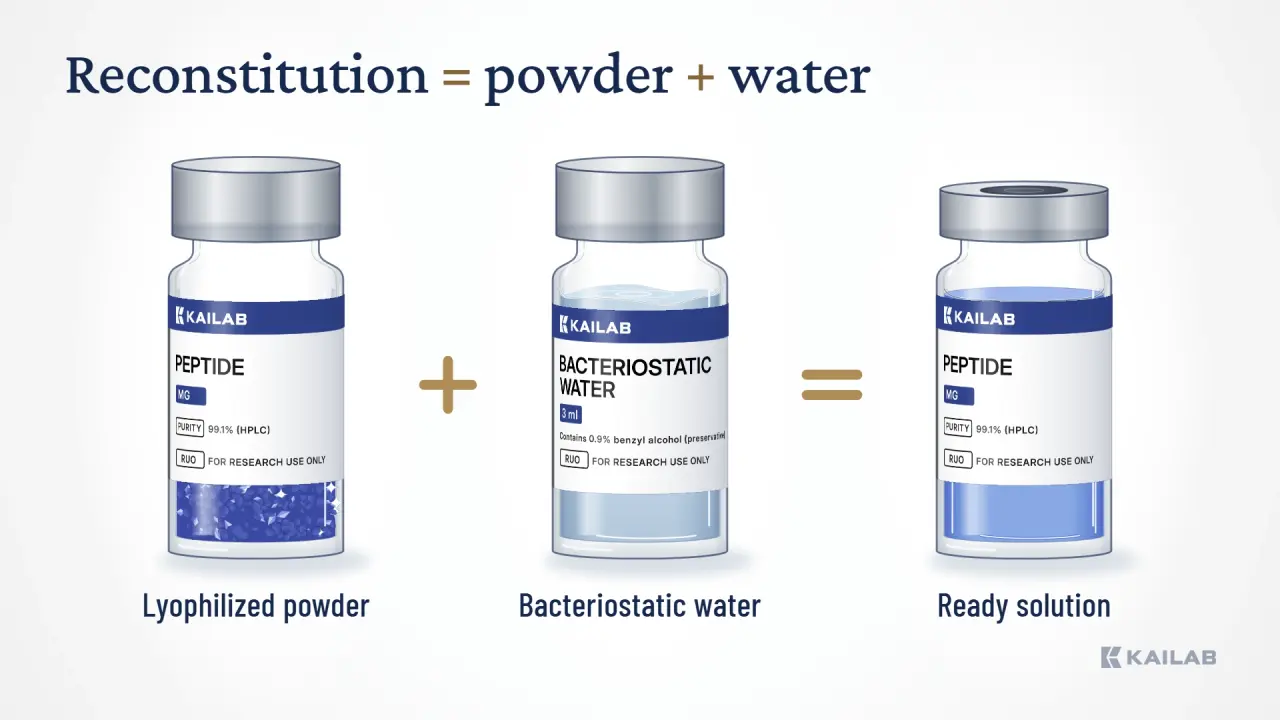
Reconstituting means mixing the powder in the vial with bacteriostatic water to get a solution that's ready to use. The peptide comes as a powder because it keeps better that way.
The same 6 steps as the video. Tap an image to see it full size.
Afterward: label the vial with the date you reconstituted it and keep it in the fridge (see Storage).
Once reconstituted, it needs cold and darkness.
This is a suggested progression, not a cycle you have to finish. Five days a week (for example, Monday through Friday) and two days off. It's the reference published by peptidedosages.com; no injectable dose has been established in human studies.

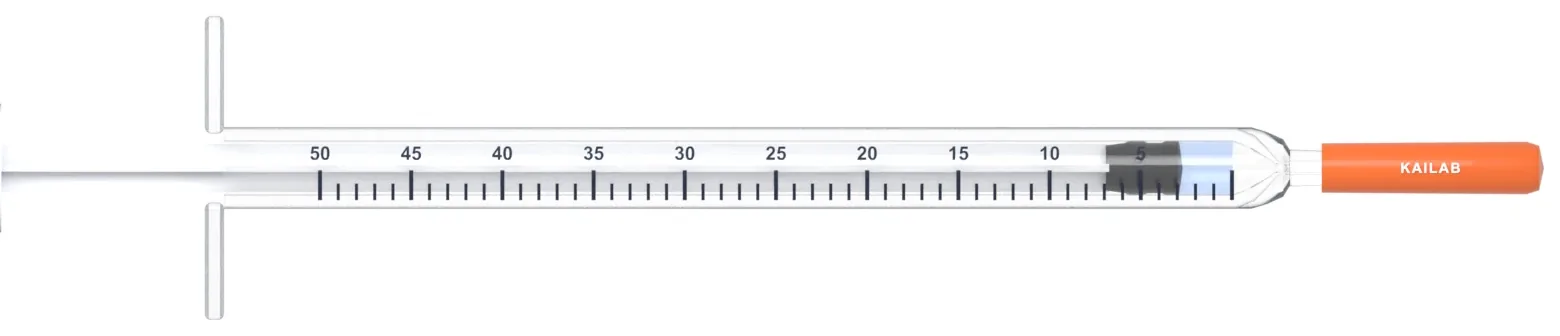
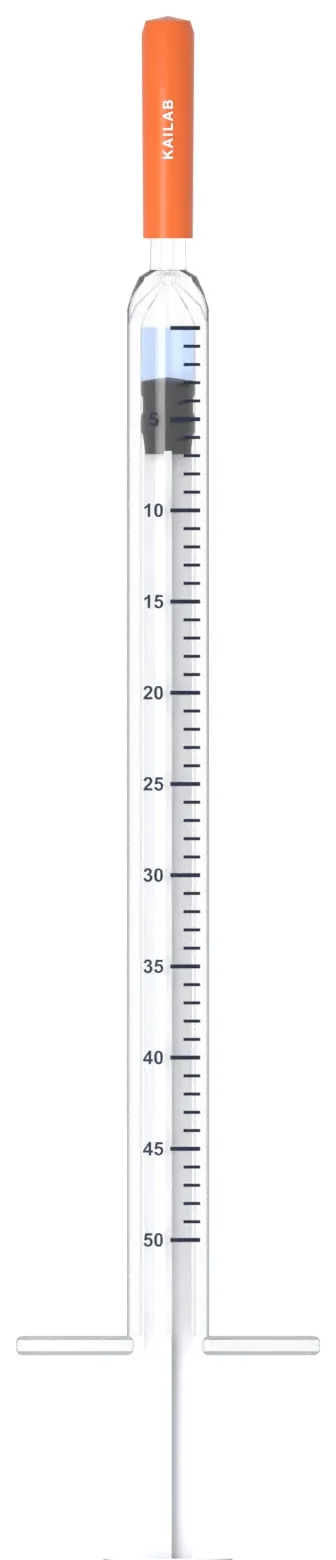
With 3 mL of water, 1 mg is just 3 units. Use a 0.5 mL syringe: its marks are farther apart and easier to read than on a 1 mL syringe.
Pick your two days off and keep them the same every week. That makes it easy not to skip a dose.
Collagen renews over weeks and months. Take a photo in the same light when you start and compare it every month.
It's the most talked-about side effect in forums. Let the vial sit at room temperature for a few minutes and inject slowly. It usually passes within minutes.
It can show up at the injection site and go away within hours. Change the site every time.
Stay on the lower dose longer or stop for a few days.
Because of the copper. It's GHK-Cu's normal color: when you mix it with the bacteriostatic water, the solution turns blue.
Yes, it's the most common comment in forums. It usually lasts a few minutes. Injecting slowly, with the vial at room temperature, helps.
It's the same molecule, but most human studies used creams, serums or gels. Results from those products can't be carried over directly to the injectable form.
It's one of the most researched uses, mostly in the lab and in scalp products. There are no trials yet that confirm it with injections.
In Quality, on this same page, you can open the report for the strength and lot we sell.
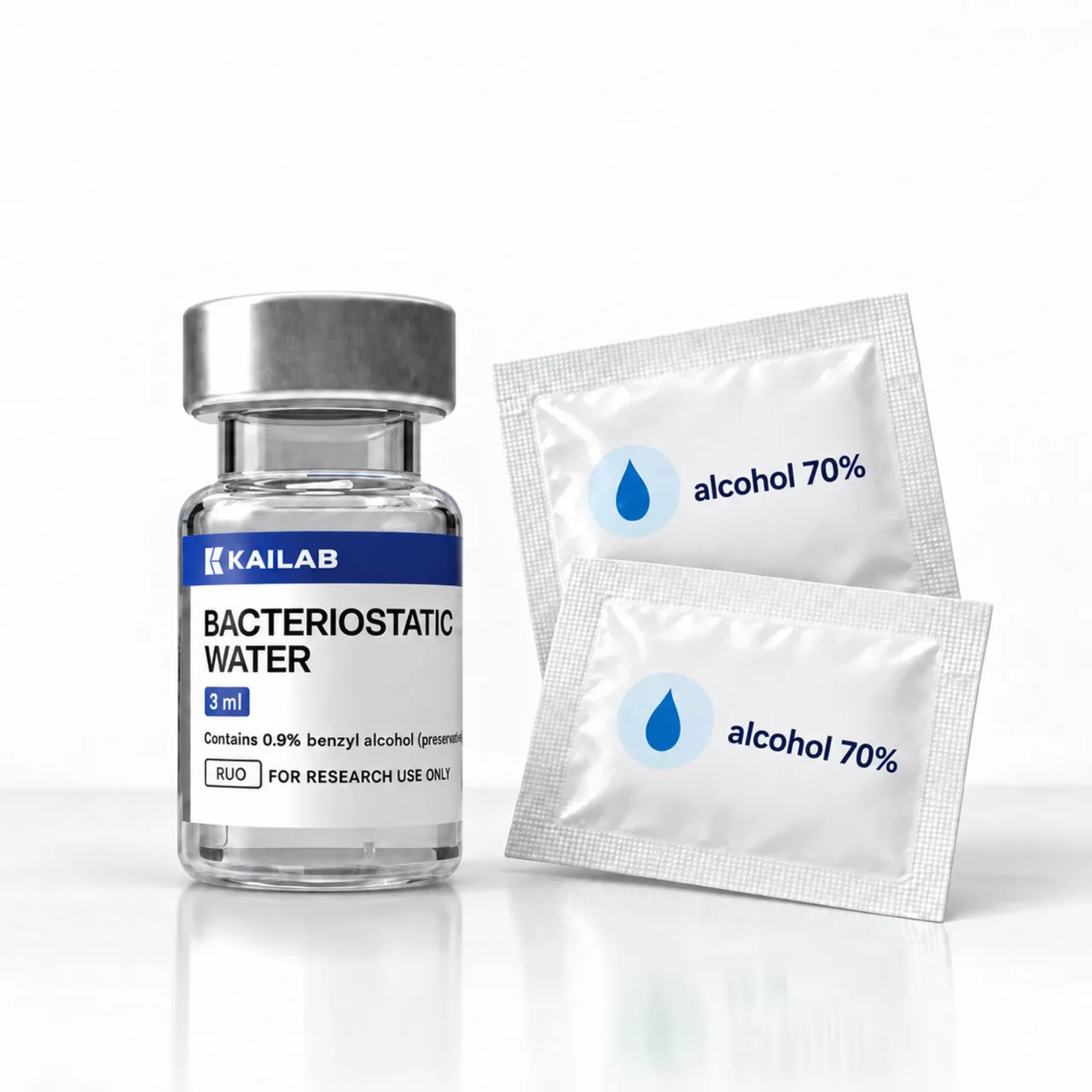
Every peptide vial comes with one 3 mL vial of bacteriostatic water, plus alcohol wipes; the reconstitution guide is on this page. Shipping is free anywhere in Colombia, in discreet packaging.
If your payment is confirmed before 4 p.m. (Monday to Friday) or noon (Saturday), we ship it that same day. After that time, and on Sundays and Colombian holidays, we ship it the next business day. Bogotá time.
Cards, PSE, Nequi, Daviplata and Bancolombia through Wompi, or USDT on the TRC-20 network. You'll see every option at checkout.

Can't find your answer? Visit Help.
There are human studies, but almost all of them used creams, serums or gels on the skin.
With the gel, median ulcer closure was 98.5%, versus 60.8% with the gel without the peptide. Closure was about three times faster.
Ulcer infections were also less frequent (7% versus 34%).
It sums up decades of studies: in the lab, GHK-Cu stimulates collagen production and changes the activity of many genes linked to tissue repair.
It also describes how its blood levels drop with age.
Last reviewed: Oct 22, 2026 · KAILAB team

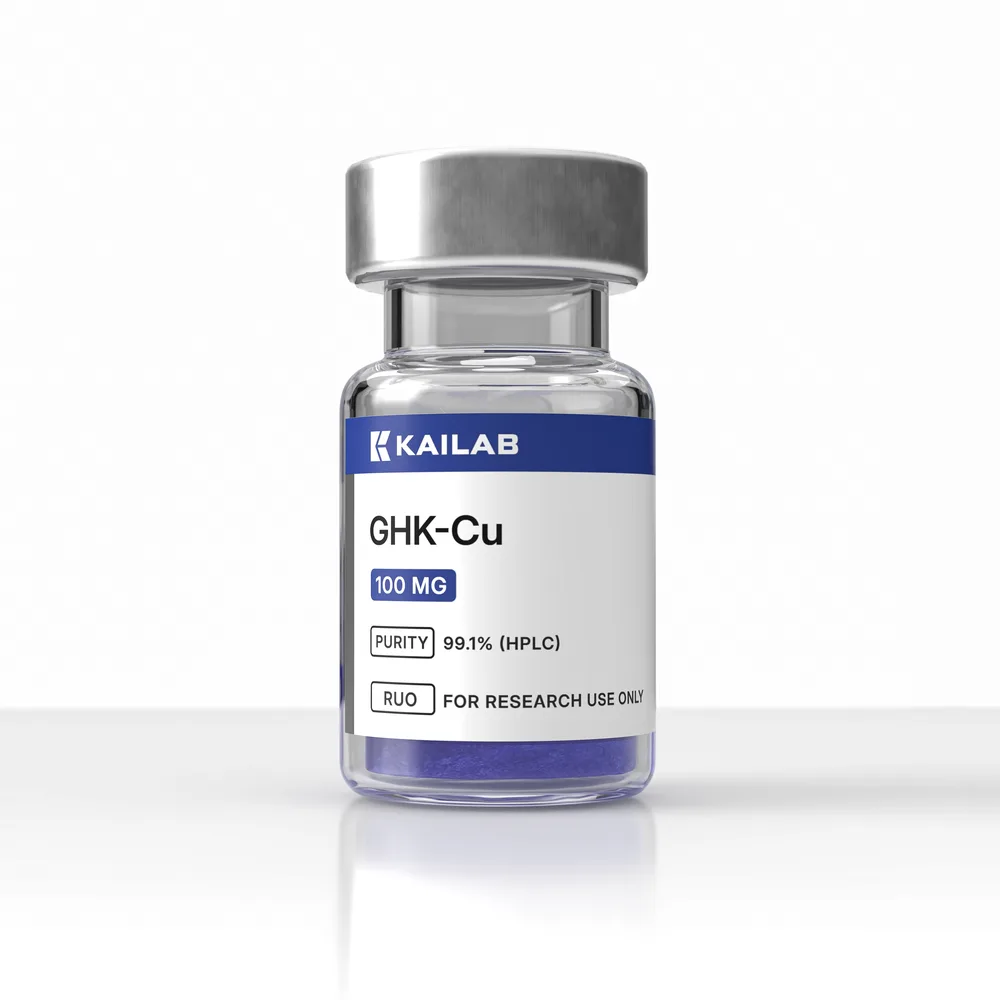
GHK-Cu 100 mg
Copper peptide studied for skin, collagen and wound healing.
Purity 99.825% verified by Janoshik. Lot GHK0726151000.


For research use only. Not for human or veterinary use.
GHK-Cu is a very small peptide, just three amino acids (glycine, histidine and lysine), bound to a copper atom. The body makes it naturally, and levels drop with age. The copper gives it its blue color.
It's studied for skin (collagen, firmness, wrinkles), wound healing and hair. Most human studies used creams or gels, not injections.
It delivers copper to cells and, in the lab, switches on genes linked to repair: it increases collagen production and draws in the cells that repair the skin.

This is a suggested progression, not a cycle you have to finish. Five days a week (for example, Monday through Friday) and two days off. It's the reference published by peptidedosages.com; no injectable dose has been established in human studies.

With 3 mL of water, 1 mg is just 3 units. Use a 0.5 mL syringe: its marks are farther apart and easier to read than on a 1 mL syringe.
Pick your two days off and keep them the same every week. That makes it easy not to skip a dose.
Collagen renews over weeks and months. Take a photo in the same light when you start and compare it every month.
It's the most talked-about side effect in forums. Let the vial sit at room temperature for a few minutes and inject slowly. It usually passes within minutes.
It can show up at the injection site and go away within hours. Change the site every time.
Stay on the lower dose longer or stop for a few days.
Because of the copper. It's GHK-Cu's normal color: when you mix it with the bacteriostatic water, the solution turns blue.
Yes, it's the most common comment in forums. It usually lasts a few minutes. Injecting slowly, with the vial at room temperature, helps.
It's the same molecule, but most human studies used creams, serums or gels. Results from those products can't be carried over directly to the injectable form.
It's one of the most researched uses, mostly in the lab and in scalp products. There are no trials yet that confirm it with injections.
In Quality, on this same page, you can open the report for the strength and lot we sell.
Every peptide vial comes with one 3 mL vial of bacteriostatic water, plus alcohol wipes; the reconstitution guide is on this page. Shipping is free anywhere in Colombia, in discreet packaging.
If your payment is confirmed before 4 p.m. (Monday to Friday) or noon (Saturday), we ship it that same day. After that time, and on Sundays and Colombian holidays, we ship it the next business day. Bogotá time.
Cards, PSE, Nequi, Daviplata and Bancolombia through Wompi, or USDT on the TRC-20 network. You'll see every option at checkout.
There are human studies, but almost all of them used creams, serums or gels on the skin.
With the gel, median ulcer closure was 98.5%, versus 60.8% with the gel without the peptide. Closure was about three times faster.
Ulcer infections were also less frequent (7% versus 34%).
See the study · PubMed ↗It sums up decades of studies: in the lab, GHK-Cu stimulates collagen production and changes the activity of many genes linked to tissue repair.
It also describes how its blood levels drop with age.
See the review · PMC ↗Last reviewed: Oct 22, 2026 · KAILAB team